.png)


Do you want to learn how to use conflict as a tool for transforming relationships and social dynamics? Candler School of Theology professors in ethics and conflict transformation guide you through the process of evaluating and engaging conflict within a theological framework.
Sample Content
One free preview lesson from each of the four units — no registration required.

What You'll Learn
From understanding your own conflict style to sustaining the inner life of a peacebuilder — practical skills grounded in Christian ethics and conflict transformation.
Understanding your personal conflict style is the first step toward becoming an effective peacebuilder. We guide you through identifying your own approach and expanding your repertoire for engaging conflict constructively.
Effective facilitation creates spaces where meaningful dialogue and transformation can occur. We provide practical guidance on facilitating circle meetings, group conversations, and community events for healing and change.
Not all conflict is created equal. We help you distinguish productive conflict — which fosters understanding and growth — from unproductive conflict that escalates into harmful behaviors and entrenches division.
Conflict transformation is emotionally demanding. We explore spiritual practices that support and replenish those engaged in long-term peacebuilding — drawing on deep wells of Christian contemplative and activist tradition.
Conflict work can be emotionally and mentally taxing. This section highlights the necessity of prioritizing your own health and resilience — so that you can show up fully for others over the long arc of peacebuilding ministry.
Curriculum
Each unit builds on the last — moving from self-knowledge to community facilitation, from discernment to spiritual sustenance — forming you as a practitioner of peacebuilding.
Before you can transform conflict in community, you need to understand how you personally respond to it. This unit builds self-awareness about your conflict style, assumptions, and instincts — and begins to expand your repertoire.
Facilitation is a craft. This unit develops your practical skills for holding space — circle meetings, community conversations, restorative processes — providing concrete frameworks for creating conditions where genuine dialogue can occur.
Discernment is essential in conflict work. This unit equips you to distinguish between conflict that can be engaged productively and conflict that escalates — and to intervene wisely in each. Not every conflict is the same, and wisdom lies in knowing the difference.
The final unit turns inward — exploring the spiritual practices and self-care habits that make sustainable peacebuilding possible. Drawing on contemplative and activist traditions, this unit forms you for the long haul of conflict transformation ministry.
Your Instructors
Dr. Marshall focuses on contemporary Christian ethics with particular attention to violence, peacebuilding, conflict transformation, and moral agency under constraint. She has published numerous articles, edited three volumes, and written three books including Parenting for a Better World (Chalice Press, 2022) and An Introduction to Christian Ethics: Conflict, Faith, and Human Life (Westminster John Knox Press, 2018). A lay person in The Episcopal Church, she regularly offers trainings and workshops for clergy and laity. She joined the Candler faculty in 2009.
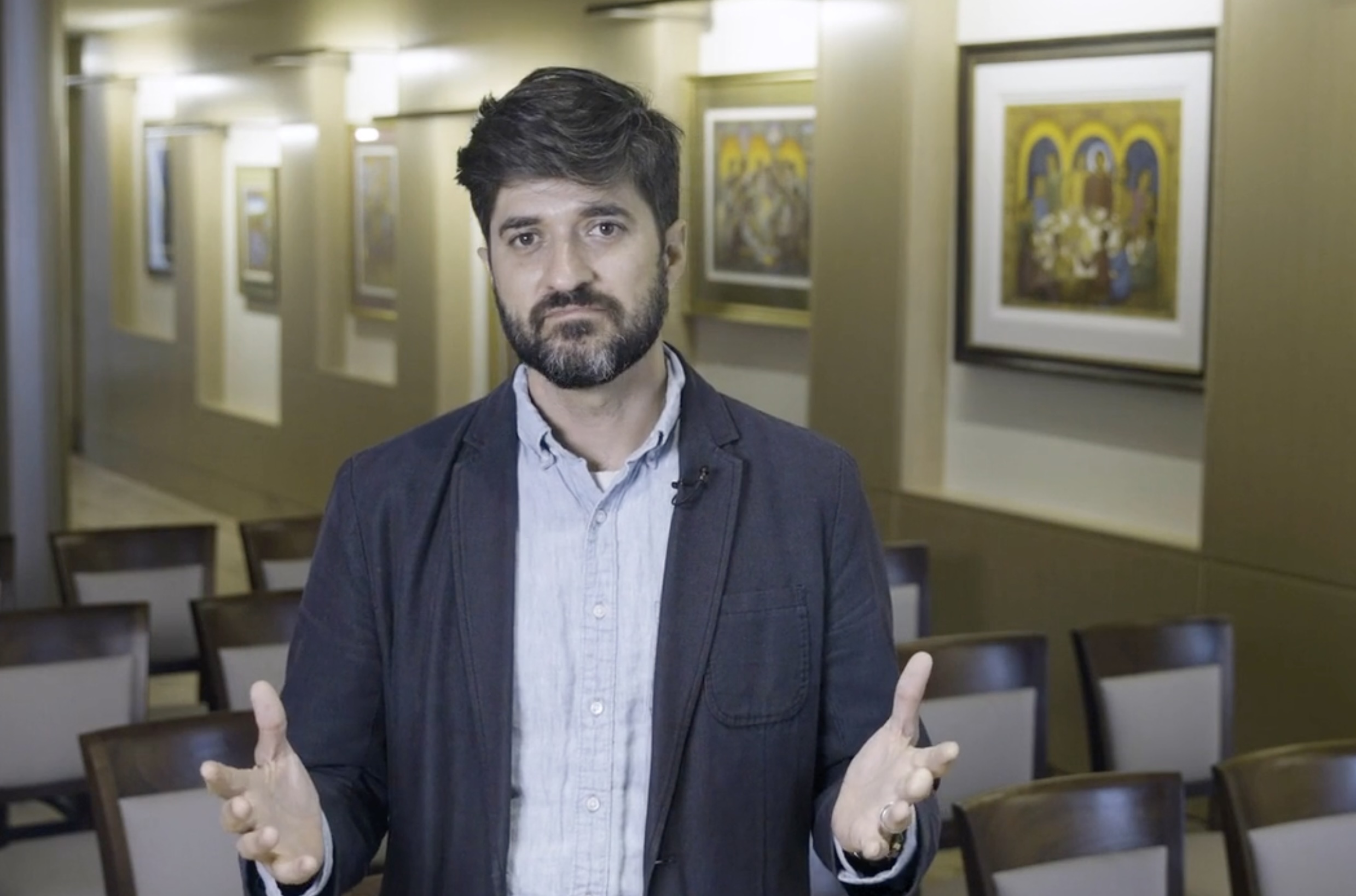
Dr. Lambelet's first book, ¡Presente! Nonviolent Politics and the Resurrection of the Dead (Georgetown UP, 2020), follows a transnational nonviolent movement to propose modes of political action that are both effective and faithful. His current research engages theological responses to the climate crisis. A trained spiritual director, he writes and teaches on the place of struggle in the spiritual life. He taught for seven years at Candler, where he launched Candler's program in Formation Communities, before joining Virginia Theological Seminary in 2024.
How It Works
Work through each lesson at your own pace — no deadlines, no schedule, no expiration date. Move as quickly or slowly as your ministry and community work allows.
Short, focused video lessons from Dr. Marshall and Dr. Lambelet — watch on your schedule, revisit anytime.
No required live sessions — complete coursework entirely on your own timeline, wherever you are.
No deadlines, no cohort schedule — begin whenever you're ready and progress entirely on your own timeline.
Earn 8 Continuing Education Units and a Candler Foundry certificate upon successful completion of all four units.
Start immediately at your own pace.
No application, no schedule — just enroll and learn.